
Since 2015
Custom battery pack projects
5,000 m²
Own factory
6 engineers
15+ years’ professional experience
60
Production-line employees
25+ countries
Traded with customers in
Same target, fewer cells – 4S pack, about 10 Ah
reference values · 3.6 V nominal cells
|
18650 build · 3,400 mAh cells
|
21700 build · 5,000 mAh cells
|
|
|---|---|---|
|
Configuration |
4S3P · 12 cells |
4S2P · 8 cells |
|
Pack |
14.4 V · 10.2 Ah · ≈147 Wh |
14.4 V · 10.0 Ah · 144 Wh |
|
Cell block (flat) |
≈ 72 × 54 × 65 mm |
≈ 84 × 42 × 70 mm |
|
Current per cell at 15 A |
5.0 A |
7.5 A |
A third fewer cells and cell connections, and nearly the same cell-block volume – but a different shape, and 50% more current through each cell. Block sizes are cells only, before holders, BMS, insulation and housing.
Load first, capacity second
Sizing a 21700 Battery Pack From Your Load Profile
Capacity sets how long the pack runs. Current decides whether it gets there – without voltage sag, early cut-off or excess heat. With 21700 packs, where fewer cells share the load, we size from current first.
Current per cell, heat and runtime
Voltage, capacity and xSyP basics are explained on our 18650 battery pack page – the same rules apply to 21700 cells.
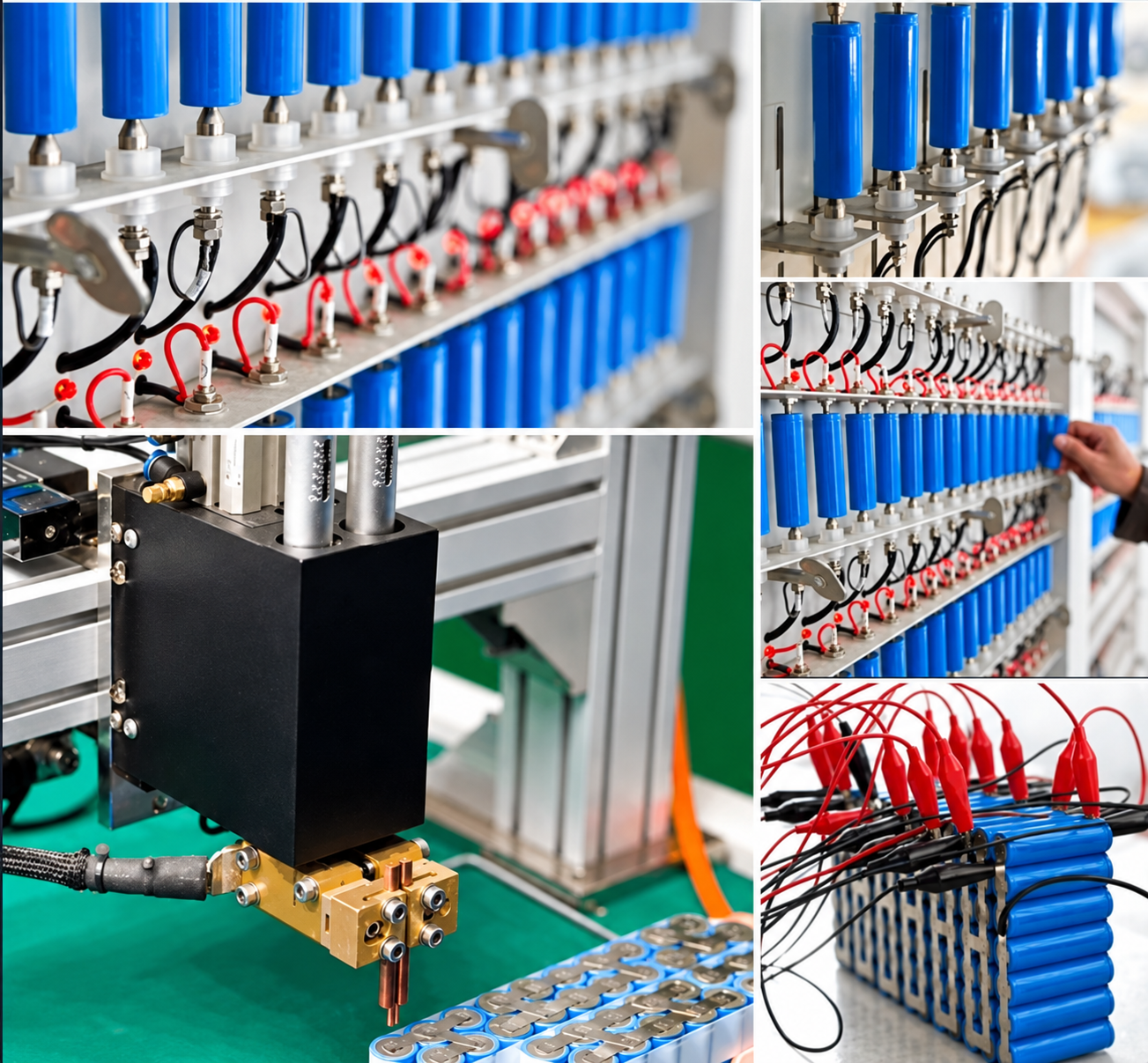
Worked example: 20 A continuous on a 4S pack
|
Build
|
Per cell
|
C-rate
|
Heat / cell
|
Cells’ total
|
|---|---|---|---|---|
|
4S2P · 5.0 Ah cells |
10.0 A |
2.0 C |
≈ 2.0 W |
≈ 16 W |
|
4S3P · 5.0 Ah cells |
6.7 A |
1.3 C |
≈ 0.9 W |
≈ 11 W |
Heat figures assume 20 mΩ per cell for illustration only – real values come from the cell datasheet and are checked on samples. Adding one parallel cell per group cuts heat in the cells by about a third. The other option is a power-type 21700 cell with a higher continuous rating, kept at 2P.
21700 configurations and pack energy
Because each 21700 cell stores more energy, pack Wh climbs quickly – and 100 Wh is a key threshold in air-transport rules for lithium-ion batteries, above which shipping requirements become stricter.
|
Series
|
Nominal / full charge
|
2P with 5.0 Ah cells
|
Pack energy
|
Above 100 Wh?
|
|---|---|---|---|---|
|
2S |
7.2 V / 8.4 V |
10 Ah · 4 cells |
72 Wh |
No |
|
3S “12 V” class |
10.8 V / 12.6 V |
10 Ah · 6 cells |
108 Wh |
Yes |
|
4S |
14.4 V / 16.8 V |
10 Ah · 8 cells |
144 Wh |
Yes |
|
6S |
21.6 V / 25.2 V |
10 Ah · 12 cells |
216 Wh |
Yes |
|
7S “24 V” class |
25.2 V / 29.4 V |
10 Ah · 14 cells |
252 Wh |
Yes |
Reference values for 3.6 V nominal, 4.2 V full-charge lithium-ion 21700 cells. Higher series or parallel counts are possible – we confirm them for each project once current, heat and safety are reviewed. Which transport tests and documents apply is confirmed at quotation – see testing, certification and compliance.
Thermal and Mechanical Design for 21700 Packs
Larger cells change how a pack heats up and how it has to be held. These are the points we check before a 21700 layout is frozen.
Heat leaves a larger cell more slowly
A 21700 cell has roughly 13% less surface area per unit volume than an 18650, so the same heat per cell volume escapes more slowly.
Inner cells run hotter
In a block, cells in the middle are surrounded by other heat sources. Spacing, holder design and a path to the housing keep the spread between cells small.
Heavier cells need real mounting
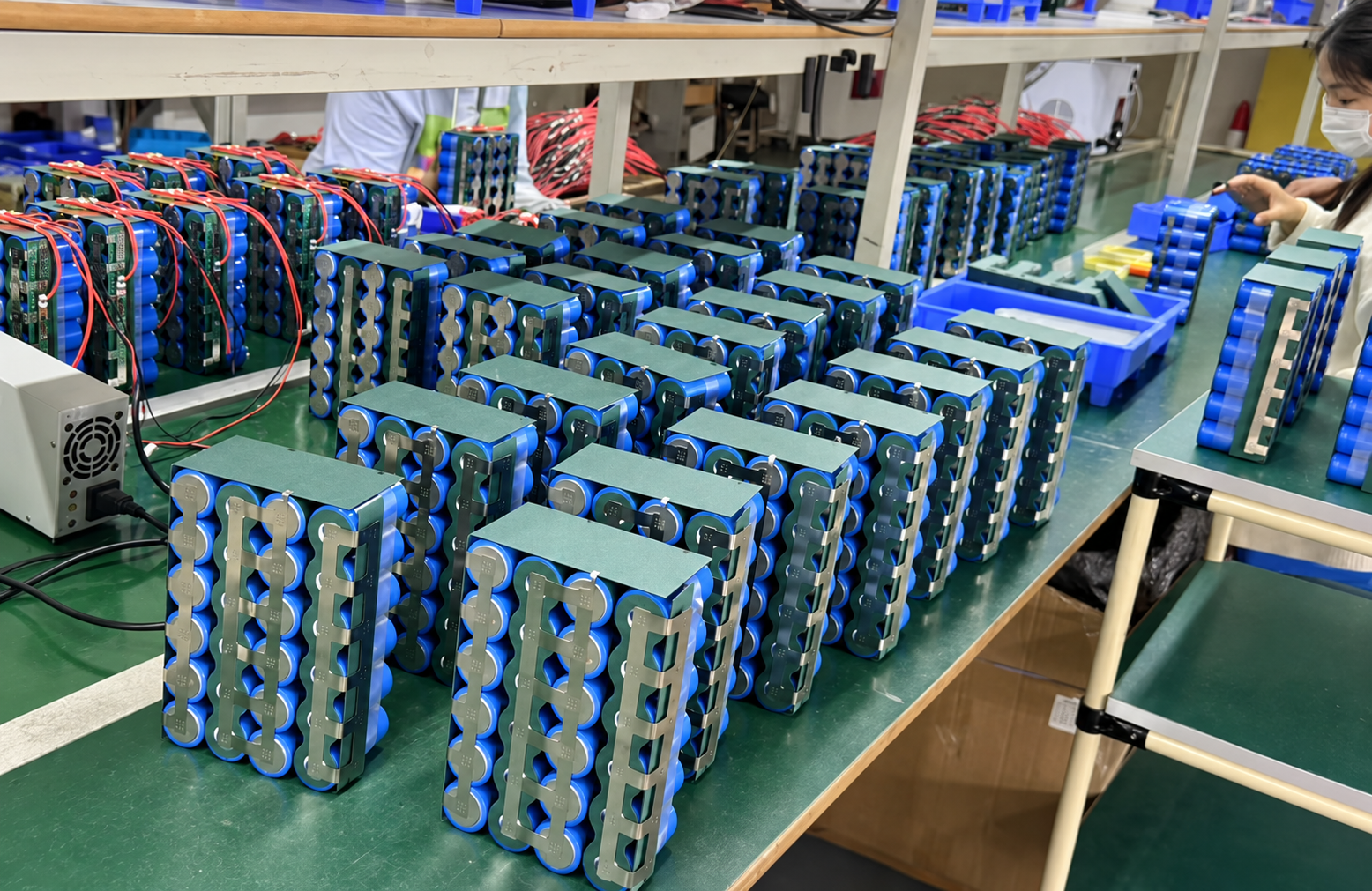
Each 21700 cell is heavier than an 18650, and a pack has more mass on fewer points. Holders, brackets and fixing are sized for your vibration and drop conditions, not left to the wrap.
Charging has a narrower temperature window
Lithium-ion cells usually accept charge over a narrower temperature range than discharge. Temperature sensors sit where the pack runs hottest, so the BMS can stop charging in time.
How we build and fix the cell block: battery pack design and assembly.
Rating the Current Path: Cells, BMS, Wiring and Connector
Cells
Continuous and pulse rating at your temperature – capacity-type and power-type 21700 cells differ widely.
Interconnects
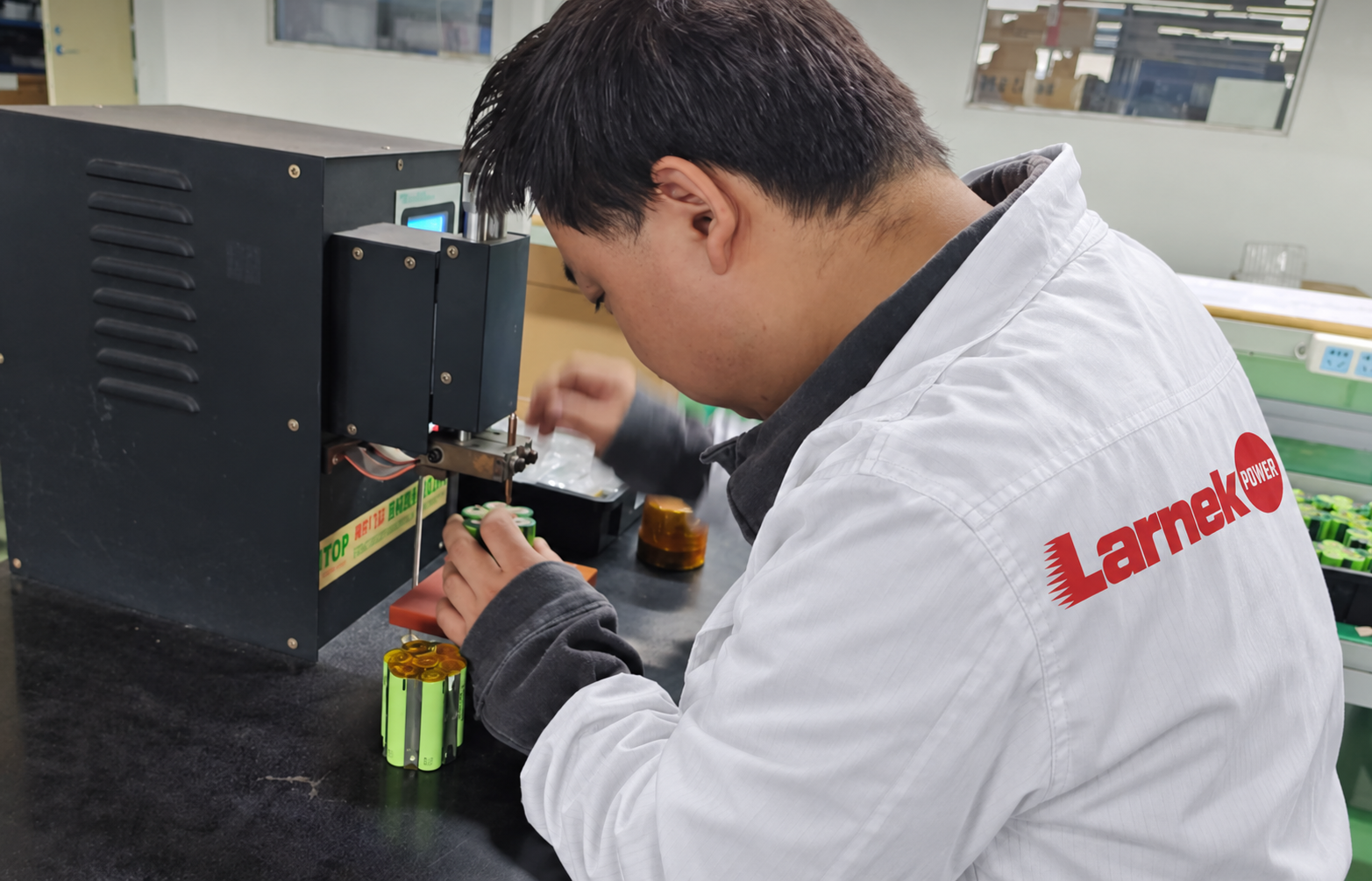
Strip cross-section and weld count matched to the current each parallel group carries.
BMS
Matched to series count and to continuous and peak current, with over-current and short-circuit response, balancing and temperature inputs. BMS integration
Wiring
Gauge, insulation temperature rating and lead length, so voltage drop at full current stays small.
Connector
Current rating with margin, locking and keying, matched to your device’s mating part.
Equipment That Benefits From 21700 Battery Packs
21700 packs make the most sense where load current, run time or energy per pack drives the design.
Cleaning equipment
Motor and pump loads for a full cleaning run, so the design is led by sustained current, the choice of cell and how the layout sheds heat.
Portable power equipment
Energy per kilogram carried and output current – the reason to reach for the larger cell.
Industrial equipment
Mounting, vibration and long-term repeat supply. See industrial battery packs.
Communication equipment
Transmit peaks on top of a base load: parallel count and voltage at peak current.
Remote monitoring systems
Long intervals between visits: capacity margin, self-discharge and site temperature.
Slim, hand-held instruments are usually better served by 18650 battery packs. Working on a different device? Add it to your brief or browse applications.
Validating a 21700 Pack Before Volume Orders
Every step from first review to repeat builds is set out under OEM & ODM battery pack development. With 21700 packs, three checkpoints carry the most weight:
Load profile agreed in writing
Before samples
Continuous current, peaks and their duration, ambient and charging temperature – the reference every later check is measured against.
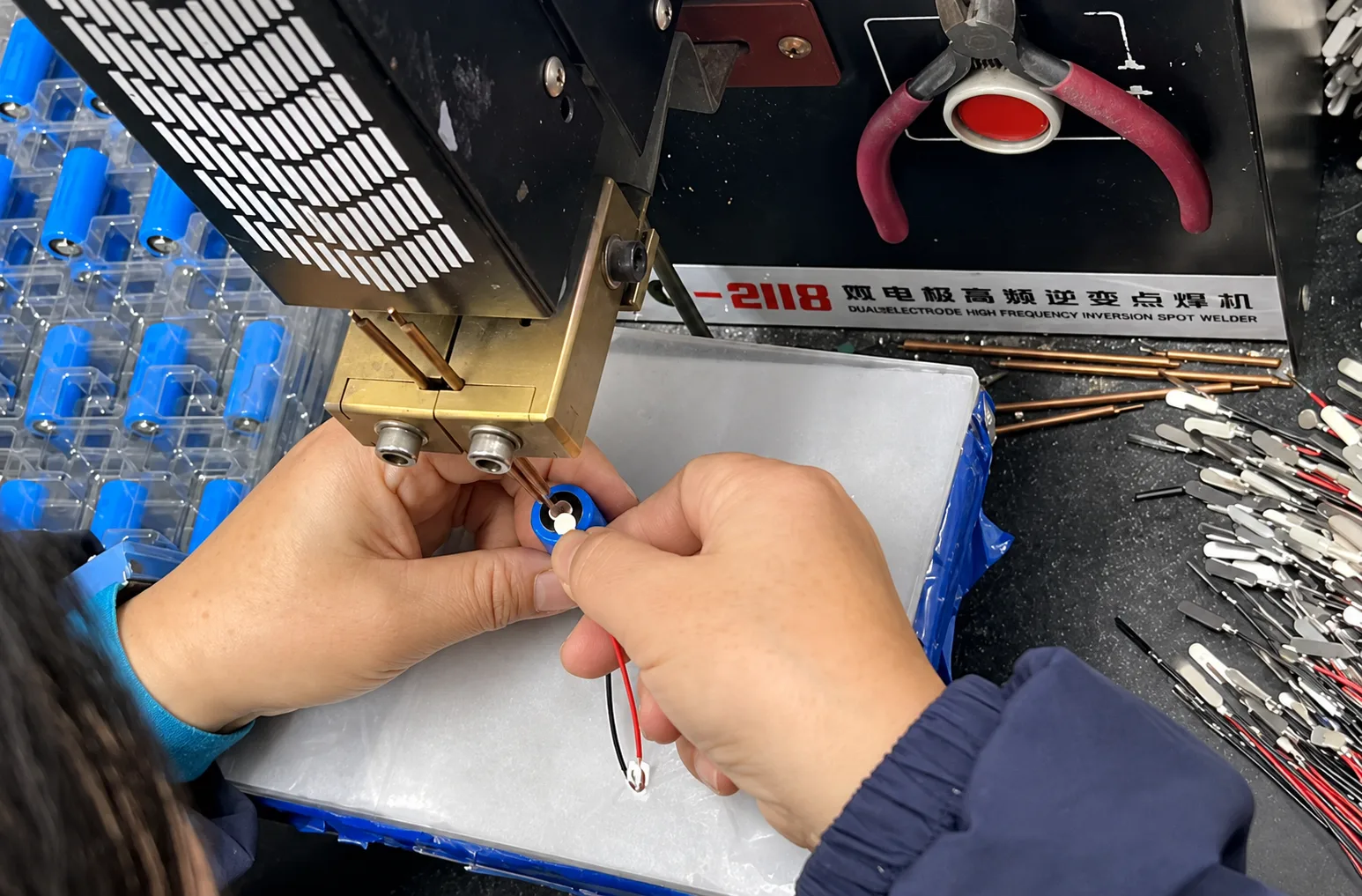
Behaviour checked at your load
On samples
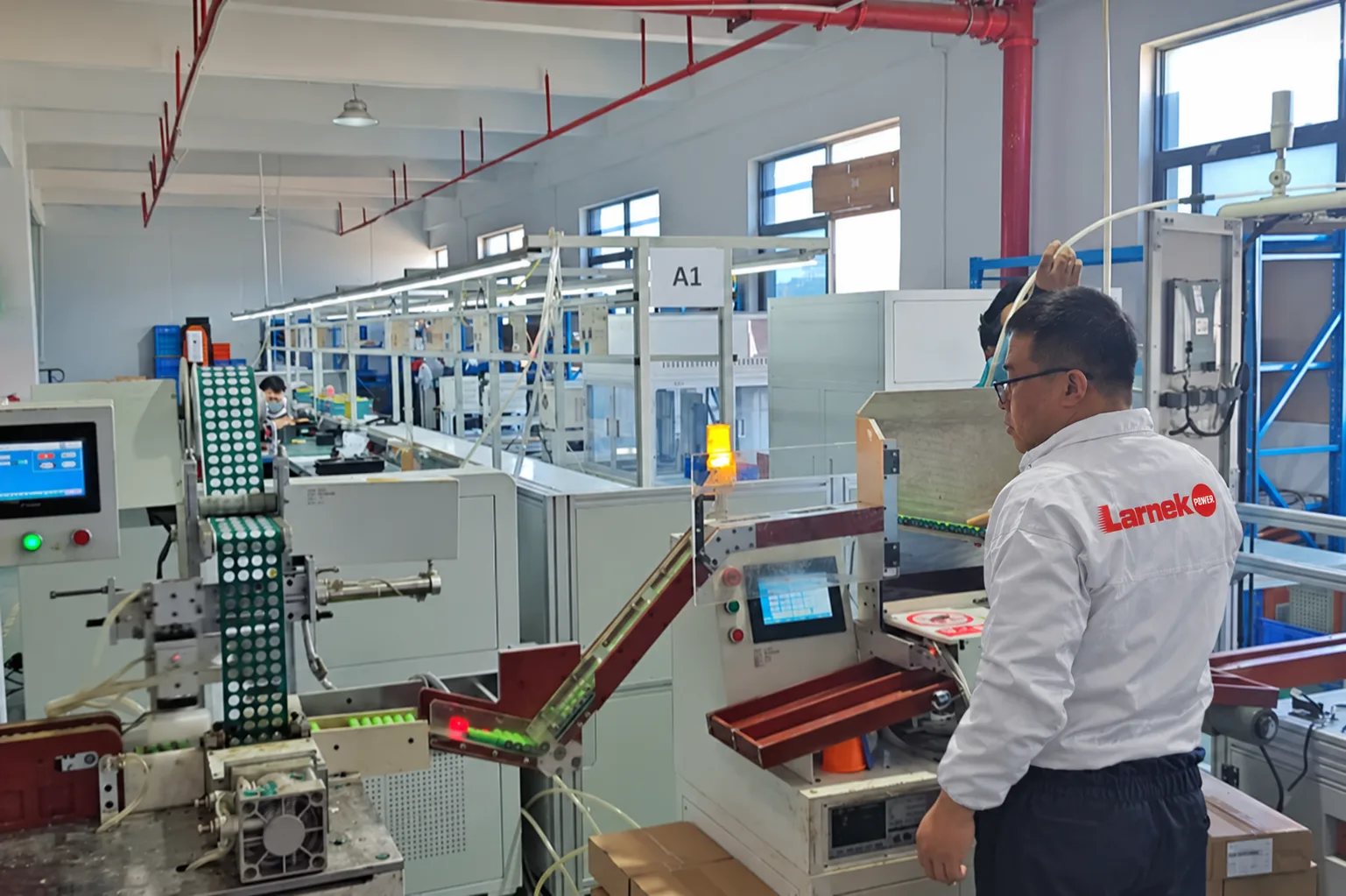
Temperature rise, voltage at peak current and fit in your housing. Which test items apply is agreed per project.
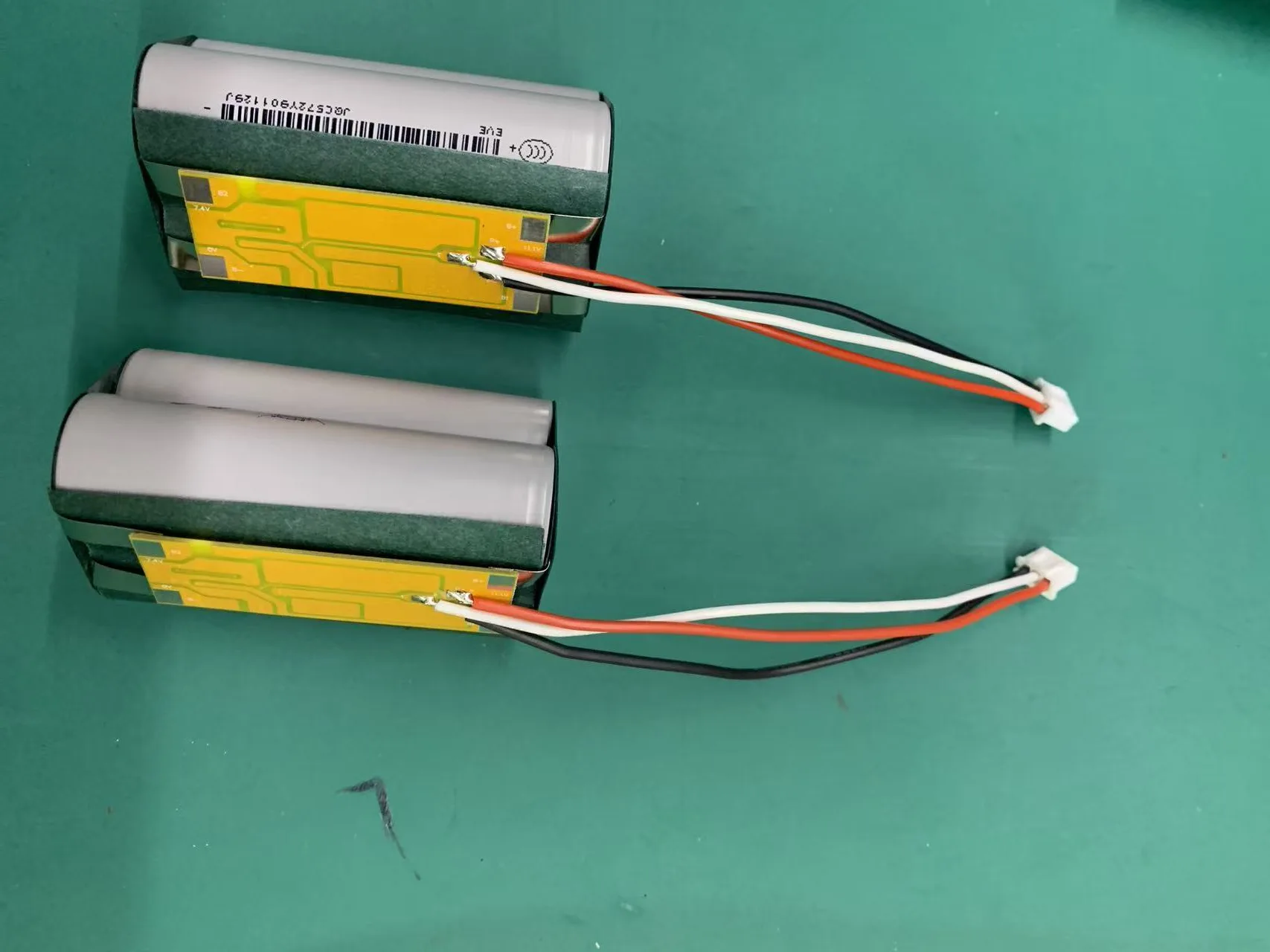
Build specification frozen
Before volume
Approved cell model, configuration, BMS settings and harness drawing become the reference for every repeat build.
Larnek Power has run custom battery pack projects since 2015 from its own 5,000 m² factory, with six engineers who each bring more than 15 years of professional experience and 60 production-line employees, trading with customers in over 25 countries. More about us as a custom battery pack manufacturer.
21700 Battery Pack Questions From Engineering Teams
Commercial questions – samples, MOQ, documents – are answered on the custom battery packs page.
Your Battery Pack, Built Safe, Compliant and On Time
Backed by a strong Shenzhen supply chain, a dedicated engineering team and hands-on export experience, Larnek Power helps OEM teams move custom battery packs into production with consistent quality, competitive cost and the paperwork export requires.
Tell Us About Your Battery Project
Larnek Power supports OEM and industrial customers with custom 18650 and 21700 lithium-ion battery packs, from initial requirements and prototyping through volume production.
Tell us about your application, target voltage and capacity, size limits, current requirements, estimated quantity, and any drawings or existing battery details. Our engineering team will review your requirements and help define the next steps for your project.